
Wednesday 02 July 2025
None
If you, or someone you care about, have been diagnosed with advanced cancer, it’s natural to feel anxious. You may be worried about what the future holds and what plans you should be making.
The information on this page will help you to find out more about advanced cancer and discover ways to cope with the emotions and practical issues this raises.
Learning that you, or someone you care about, has advanced cancer can feel overwhelming. It may, or may not, be news you were expecting and it can be a lot to take in.
You may have had symptoms which were investigated, and advanced cancer was already present. Alternatively, you may have had a cancer treated, and it has come back or stopped responding to the treatment you’re currently on.
When healthcare professionals talk about advanced cancer, they usually mean that your cancer can’t be cured. However, there are often treatment options available. The aim is to slow the growth and further spread of the cancer for months or years. Treatment can also help reduce any symptoms the cancer may be causing.
For others, it may be that any treatment plans are focused on improving and maintaining your quality of life for as long as possible. You may be wondering what the future holds, and what plans you and the family should have in place.
Here at Maggie’s we recognise how difficult the news has been to hear, and that you and those closest to you may feel scared and not able to concentrate or focus. We’ve put together some tips to help you find ways to cope with your advanced cancer - and are here to listen, support and help you and the family.
Having advanced cancer moves life’s goalposts, and at first, you may feel helpless and lost. The shock of the news may trigger a wave of emotions, such as anger, guilt, sadness, and fear. Coping can start by taking back some control over the situation, and there are a number of ways you can do this:-
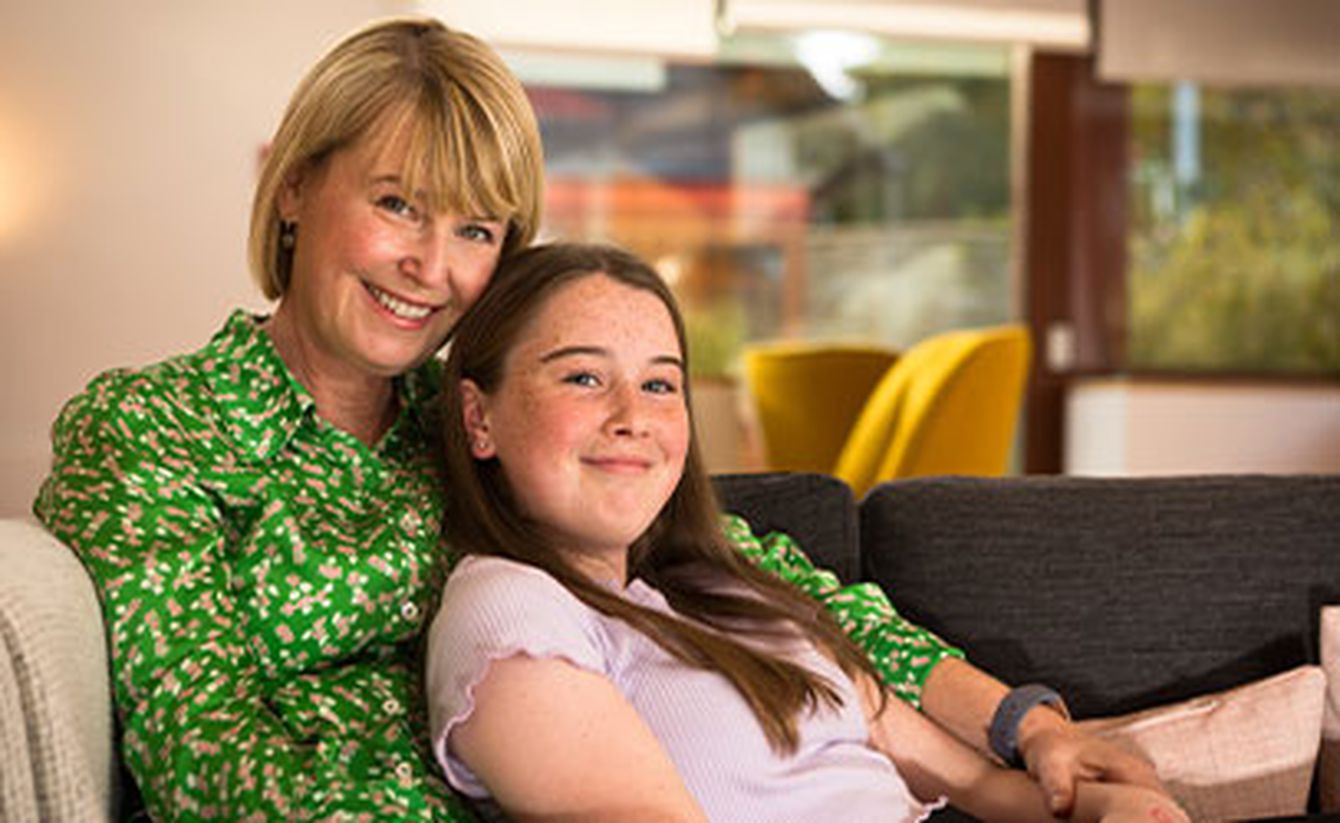
"A diagnosis like this, you either take it to your bed, lie down and just give up or you try to find a way through the fog. With a lot of help, I’ve managed to make something of it."
Get in touch with your GP, if you’re worried about your future end of life care, or need help and advice about how to manage your care at home.
Look through the links and blogs on this page for further information.
Visit your local Maggie’s centre to talk with our Cancer Support Specialists and others in similar situations.